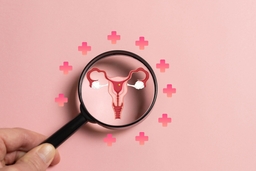
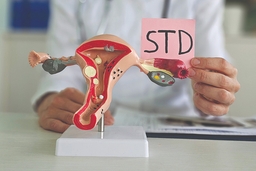
Protecting Yourself from Cervical Cancer: Prevention, Symptoms, and the Role of HPV



In Indonesia, cervical cancer ranks as the second leading cause of cancer-related death among women, after breast cancer. Globally, it is the fourth most common cancer affecting women.
Despite this, cervical cancer is one of the most preventable and treatable types of cancer, especially when detected early. Prevention includes HPV vaccination, routine screening, and appropriate follow-up care when needed.
HPV and cervical cancer
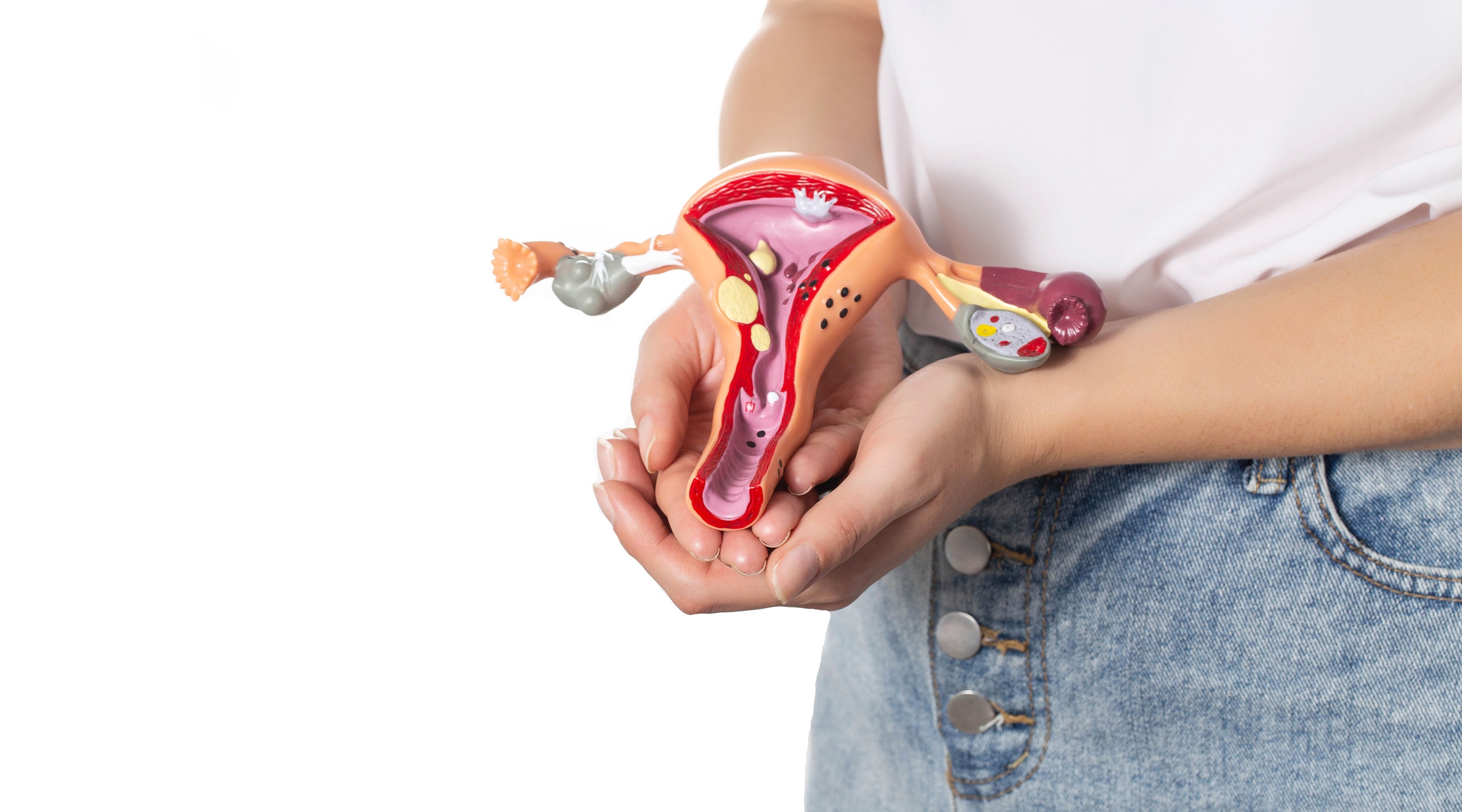
Nearly 99% of cervical cancer cases are caused by infection with the Human Papillomavirus (HPV). Almost everyone who is sexually active is at risk of being infected with HPV at some point in their lives.
Most HPV infections are temporary and resolve within 1–2 years as the immune system clears the virus. These short-term infections do not cause cancer.
However, if a high-risk HPV infection persists for many years, it can cause abnormal changes in cervical cells that develop into precancerous lesions. If left undetected and untreated, these lesions may progress to cervical cancer.
The risk of persistent high-risk HPV infection increases in individuals who:
- Become sexually active at a young age (especially under 18 years old)
- Have multiple sexual partners
What is HPV?
HPV (Human Papillomavirus) is a group of more than 200 viruses. Some types of HPV are transmitted through vaginal, anal, or oral sexual contact.
Sexually transmitted HPV is divided into two groups:
- High-risk HPV, which can cause cancer.
- Low-risk HPV generally does not cause cancer.
There are 12 types of high-risk HPV: HPV 16, 18, 31, 33, 35, 39, 45, 51, 52, 56, 58, and 59.
Among these, HPV 16 and 18 are responsible for the majority of HPV-related cancers.
Low-risk HPV types rarely cause cancer but can lead to genital warts in the genital area, anus, mouth, or throat.
When warts occur in the respiratory tract, the condition is known as respiratory papillomatosis, which can interfere with breathing.
Symptoms of cervical cancer

In its early stages, cervical cancer often causes no symptoms. This is why routine screening is essential.
Consult a doctor promptly if you experience:
- abnormal vaginal bleeding or discharge;
- pain during sexual intercourse;
- lower back pain or pelvic pain;
- swelling of the legs;
- problems with urination or bowel movements.
Risk factors that increase the development of cervical cancer
Several conditions can increase the likelihood that a high-risk HPV infection will progress to cervical cancer, including:
1. Weakened immune system
Risk is higher in individuals who:
- Have HIV infection or other conditions that weaken immunity.
- Use immunosuppressive medications (such as after organ transplantation or for autoimmune diseases, or cancer).
2. Smoking and exposure to secondhand smoke
Smoking and passive exposure to cigarette smoke increase the risk of cervical cancer. The longer and more frequent the exposure, the higher the risk.
3. Reproductive factors
Long-term use of oral contraceptives and having multiple childbirths have been associated with an increased risk of cervical cancer, although the exact mechanisms are not fully understood.
4. Obesity
Obesity can make screening examinations more difficult, increasing the likelihood that precancerous lesions may be missed.
Cervical cancer can be prevented
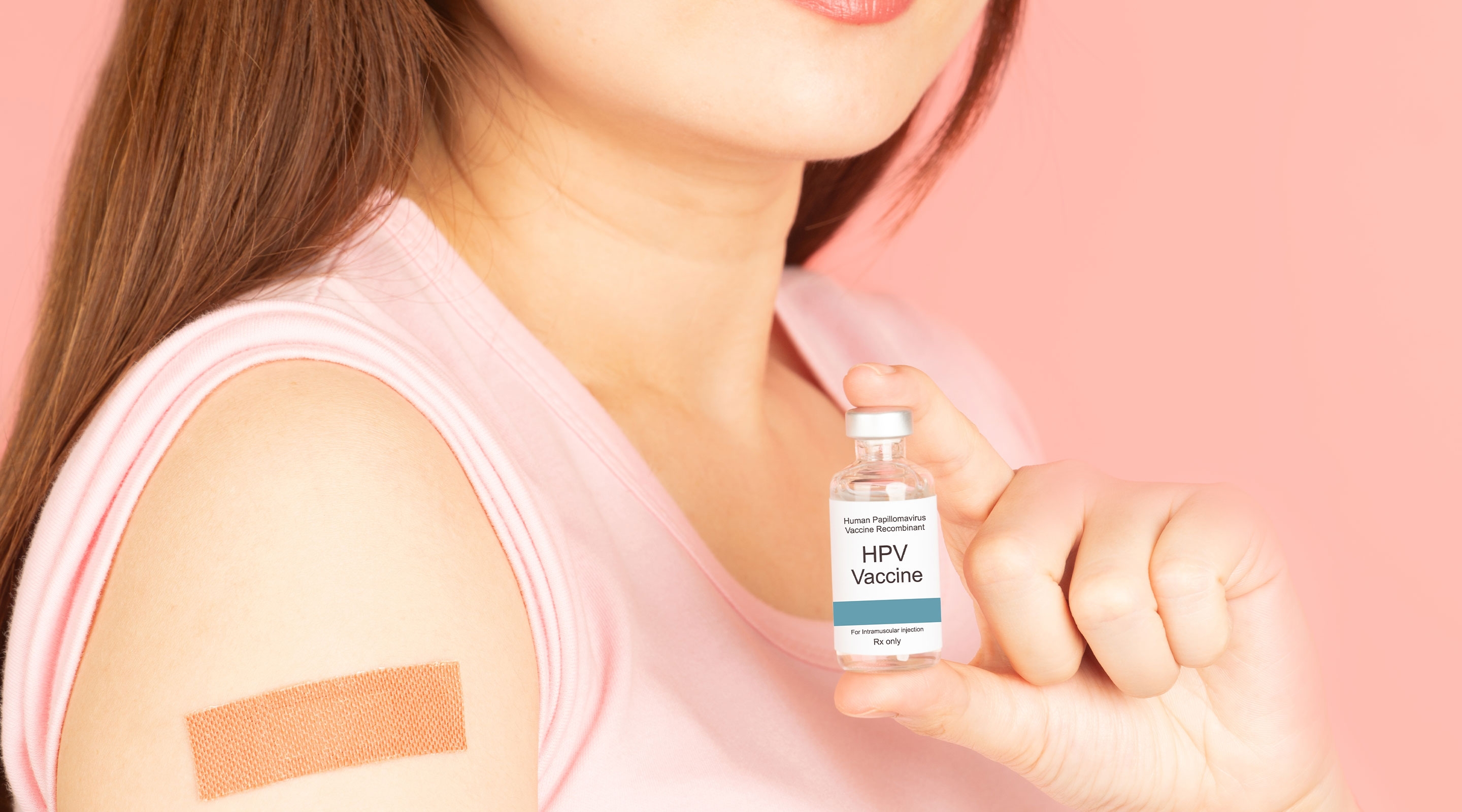
Almost all cases of cervical cancer can be prevented through a combination of HPV vaccination, routine screening, and a healthy lifestyle.
1. HPV vaccination
The HPV vaccine is a safe and effective way to prevent cervical cancer. It is recommended for both females and males aged 9–45 years.
The Gardasil 9 vaccine protects against:
- Seven cancer-causing HPV types (16, 18, 31, 33, 45, 52, and 58).
- Two HPV types that cause genital warts (6 and 11).
It is important to note that the HPV vaccine does not treat existing HPV infections—it prevents new infections.
2. Timing of HPV vaccination
The vaccine is most effective when given before the onset of sexual activity. Individuals who are already sexually active can still receive the vaccine, although the benefits may be more limited.
3. Cervical cancer screening
Because the vaccine does not protect against all HPV types, routine screening remains necessary. Recommended screening includes:
- Pap smear starting at age 21, every 3 years.
- For individuals aged 30 and older: a combination of HPV testing and Pap smear every 5 years.
- Sexually active individuals may undergo Pap smears every 1–2 years.
4. Practicing safe sex
Condom use can reduce the risk of HPV transmission, although it does not eliminate it completely.
Avoiding multiple sexual partners also lowers the risk of HPV infection.
HPV can be transmitted through non-penetrative sexual activities, such as oral sex, anal sex, or sharing sex toys.
5. Maintaining vaginal hygiene
Good intimate hygiene supports cervical health, including:
- Cleaning the vaginal area with clean water after urination or bowel movements.
- Avoiding the use of soap inside the vagina.
- Drying the intimate area after cleaning.
- Wear cotton underwear that is not too tight.
6. A healthy lifestyle to support immunity
A healthy lifestyle plays an important role in reducing the risk of cervical cancer, including:
- Consuming foods rich in vitamins A, C, E, folate, and calcium.
- Obtaining antioxidants from fruits and fish.
- Exercising regularly.
- Managing stress effectively.
Cervical cancer is not an unavoidable disease. With proper education, HPV vaccination, routine screening, and a healthy lifestyle, the risk of cervical cancer can be significantly reduced.
If you wish to receive the HPV vaccine or consult a doctor about your reproductive health, visit GWS Medika Clinic, a healthcare clinic in Jakarta.