What Health Tests Are Needed to Prepare for Menopause?



After going through many phases as a woman in her reproductive years, the time eventually comes to enter menopause. This stage is often perceived as the final chapter in a woman’s life.
In reality, menopause is not an ending, but the beginning of a new phase that can be lived with greater awareness and meaning.
Even though menstruation has stopped and facial skin may begin to sag due to declining collagen production, menopausal women can still live productive lives. For some, this phase even becomes an opportunity to start a new chapter in life.
Menopause is usually preceded by perimenopause, which commonly occurs between the ages of 40 and 50.
Menopause itself is defined as the permanent cessation of menstruation for at least 12 consecutive months.
Although it is a natural process, menopause can increase the risk of several health conditions, such as cardiovascular disease, breast cancer, and osteoporosis.
During this period, a woman’s body undergoes various changes that can often cause discomfort.
Common changes during menopause
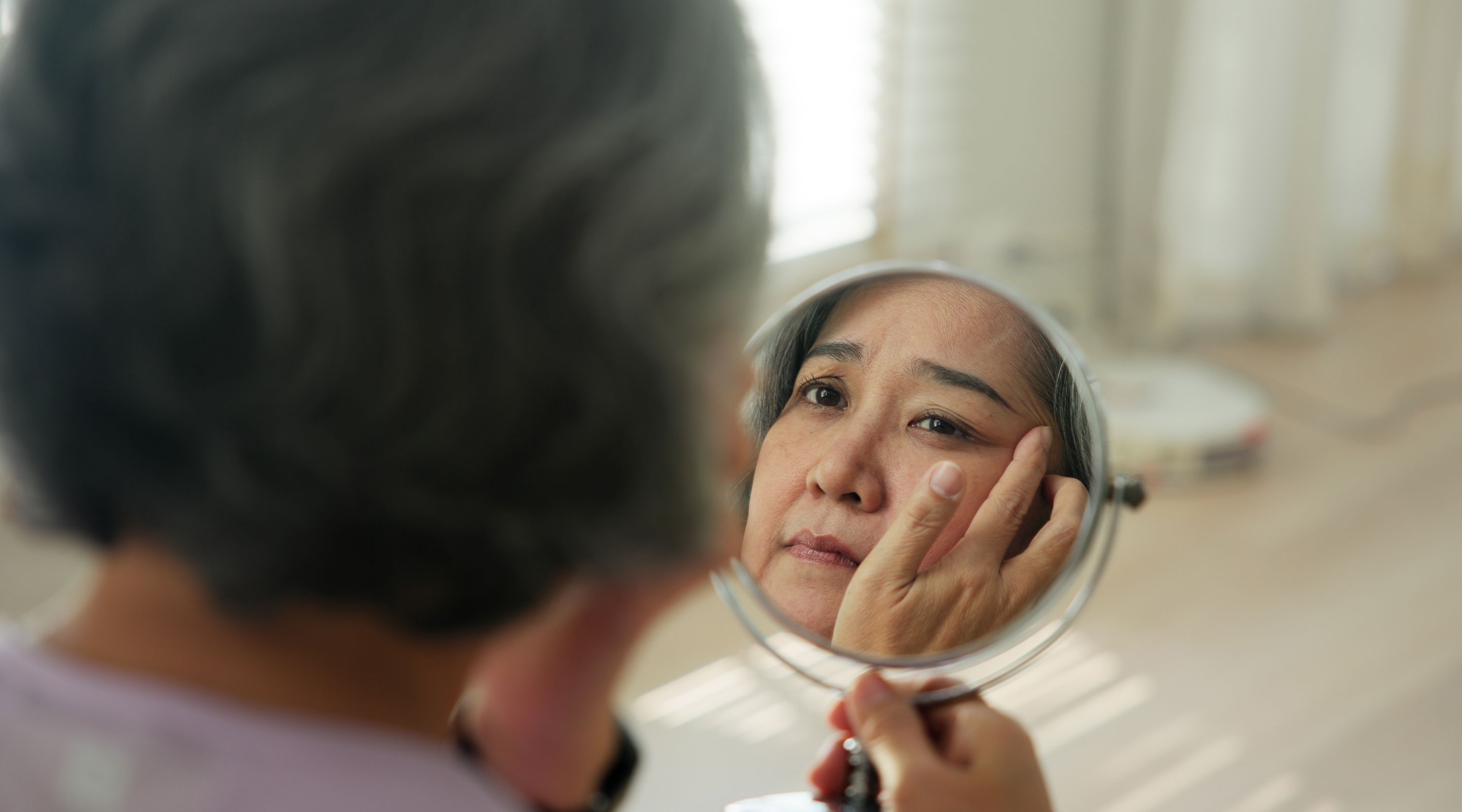
Hormonal changes during menopause can affect physical, emotional, mental, and even social well-being. Some commonly experienced changes include:
- Irregular menstrual cycles and duration during perimenopause, which may become shorter or longer.
- Sleep disturbances.
- Skin laxity.
- Mood swings.
- Hot flashes, a sudden sensation of heat, especially on the face and chest.
- Migraines or recurrent headaches.
Although these symptoms are often associated with menopause, a medical evaluation is still necessary to confirm the diagnosis.
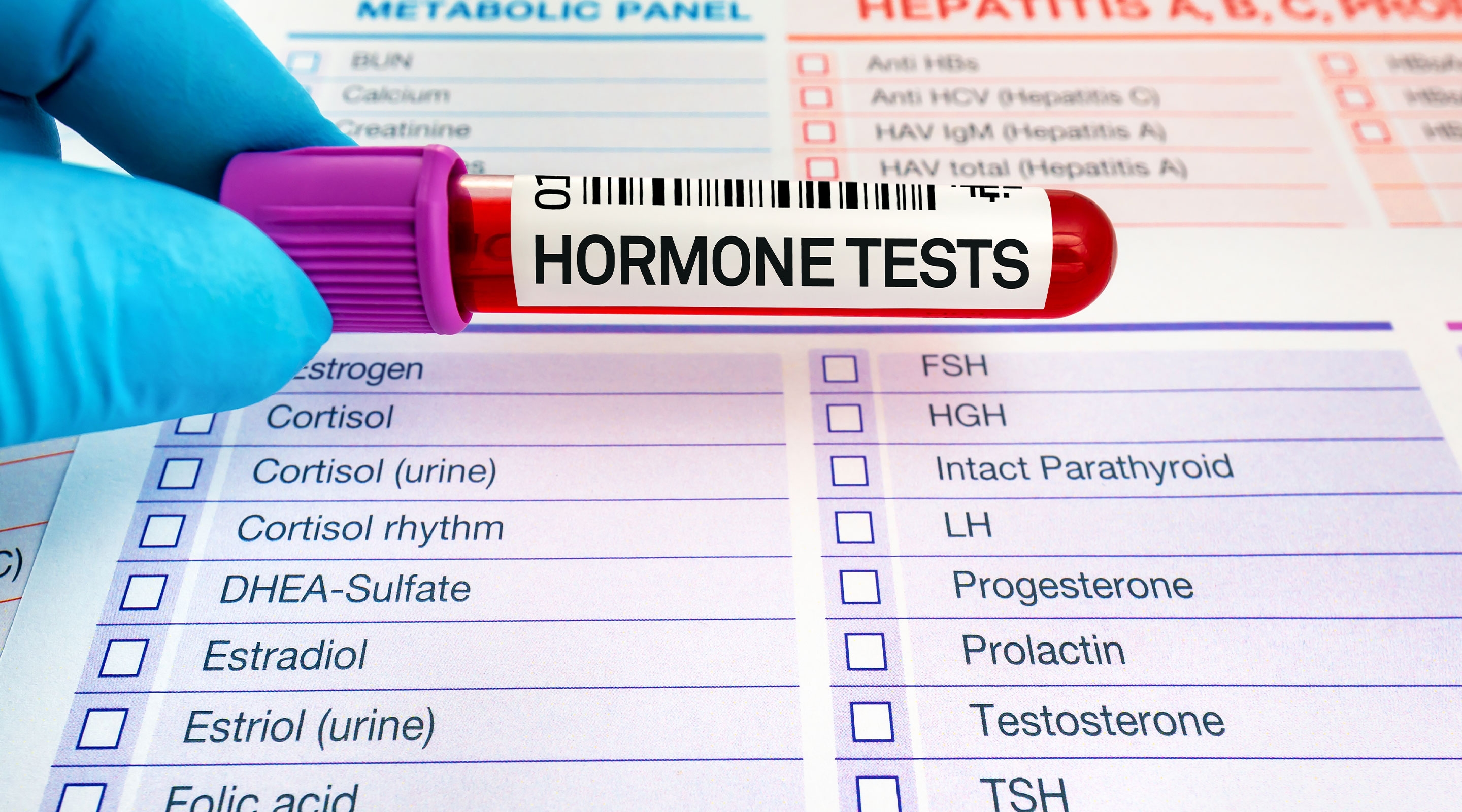
Examinations usually include hormone level assessments, such as follicle-stimulating hormone (FSH), luteinizing hormone (LH), anti-Müllerian hormone (AMH), estradiol (E2), and testosterone.
With proper understanding and appropriate testing, women can navigate menopause more comfortably while maintaining their quality of life.
Hormone level tests
Hormone — Patterns Suggestive of Menopause
FSH— Increased and remains elevated
LH— Also increases
Estradiol— Decreases
Follicle-stimulating hormone (FSH) test
The FSH test is a blood test that measures follicle-stimulating hormone levels.
Hormones are chemical messengers in the bloodstream that regulate the function of specific cells and organs. FSH plays a vital role in sexual development in children and fertility in adults.
In women, FSH helps regulate the menstrual cycle. It stimulates the growth and maturation of eggs in the ovaries.
It prepares them for ovulation—the release of an egg from the ovary into the fallopian tube, where fertilization may occur.
Elevated FSH levels
During menopause, the ovaries stop producing certain reproductive hormones.
In response, the body increases FSH secretion to stimulate ovarian function. Therefore, elevated FSH levels are often used as one of the markers of menopause.
FSH testing can help identify:
- Perimenopause, the transitional period before menopause, when hormone levels and menstrual cycles begin to change, usually starting around age 45.
- Menopause, marked by the absence of menstruation for 12 consecutive months, typically occurs around age 50
Luteinizing hormone (LH) test
This test measures the level of luteinizing hormone (LH) in the body. Like FSH, LH is a chemical messenger that regulates various bodily functions.
LH testing is usually performed using a blood sample, though in some instances it may also be measured through urine.
In menstruating women, LH helps regulate the menstrual cycle and triggers ovulation.
LH levels typically surge just before ovulation occurs, which is why LH spikes are commonly used as indicators of the fertile window for women trying to conceive.
Estradiol: low levels as a sign of menopause
Estradiol is one of the main estrogen hormones that regulate the female reproductive system.
It plays a role in promoting ovulation and, if fertilization occurs, supporting implantation. Estradiol also affects heart and blood vessel health, bone density, and brain function.
As a woman enters menopause, ovulation stops, and estradiol levels decline significantly.
Low estradiol levels can trigger various menopausal symptoms, such as hot flashes, sleep disturbances, mood changes, and decreased bone density, which may interfere with daily activities.
Along with other reproductive hormones, including progesterone, LH, and FSH, estradiol helps regulate the menstrual cycle.
Specifically, it ensures that the egg matures and is released from the follicle each month. After ovulation, the follicle that released the egg (the corpus luteum) also produces estradiol in specific amounts.
For some women, hormone replacement therapy (HRT) using synthetic estradiol may be considered to help relieve symptoms caused by low hormone levels, under medical supervision.
Want to know whether the symptoms you’re experiencing are related to perimenopause or menopause?
Get your FSH, LH, and estradiol levels checked at GWS Medika Clinic for accurate results and clear medical explanations.