Check Your Health Before Going on Holiday



The year-end holiday season is the perfect time to travel with loved ones. Most of us focus on planning itineraries, choosing outfits, or finding the best photo spots. But there’s one crucial thing that’s often overlooked: your health condition.
An enjoyable vacation starts with a body that’s fit and ready. This is especially important if you’re traveling abroad, as some countries require specific health checks or vaccinations.
So, what should you check before heading off on holiday?
1. Check your cholesterol levels

Before indulging in local cuisine and specialty drinks, it’s a good idea to check your cholesterol levels. High cholesterol can trigger symptoms such as chest discomfort, dizziness, or excessive fatigue while traveling.
Normal total cholesterol levels for adults are below 200 mg/dL. To keep cholesterol in a healthy range, maintain a balanced diet, eat more green vegetables, and drink enough water to support optimal metabolism.
If you’ve been diagnosed with high cholesterol, don’t forget to bring your medication and take it regularly during your trip. Also, limit fried foods and high-fat meals.
2. Check your uric acid levels

Travel often involves a lot of walking and physical activity. If your uric acid levels are high, joint pain or swelling can suddenly occur, disrupting your plans.
Prepare yourself by limiting organ meats, excessive seafood, and red meat during your vacation. Bring instant cold packs or pain relievers if you have a history of flare-ups.
Normal uric acid levels vary by age and sex:
- Men: 3.4–7.0 mg/dL
- Women: 2.4–6.0 mg/dL
For people with gout, the ideal target is usually below 6.0 mg/dL to prevent flare-ups.
In children, normal levels range from 2.0–5.5 mg/dL.
3. Check your blood pressure

The weather can be unpredictable—hot one moment, heavy rain the next. Sudden temperature changes can affect blood pressure. Blood pressure that’s too high or too low may cause dizziness, weakness, or even collapse.
Before exploring tourist areas, make sure you eat breakfast and avoid high-sodium foods.
If you have hypertension or hypotension, bring your medication, a portable blood pressure monitor if possible, and take your medication regularly.
Normal blood pressure for adults is generally below 120/80 mmHg, meaning:
- Systolic (top number): under 120 mmHg
- Diastolic (bottom number): under 80 mmHg
4. Check your heart and lung health

If you plan to do physically demanding activities such as hiking, snorkeling, diving, or other extreme sports, your heart and lungs need to be in good condition. These organs work hardest when your body requires more oxygen.
Consider an ECG or lung function test if you have a history of heart disease or asthma. Asthma patients should also remember to bring their inhalers.
Be alert for warning signs during intense activity, such as sudden shortness of breath, chest pain, or irregular heartbeats.
5. Vaccinations
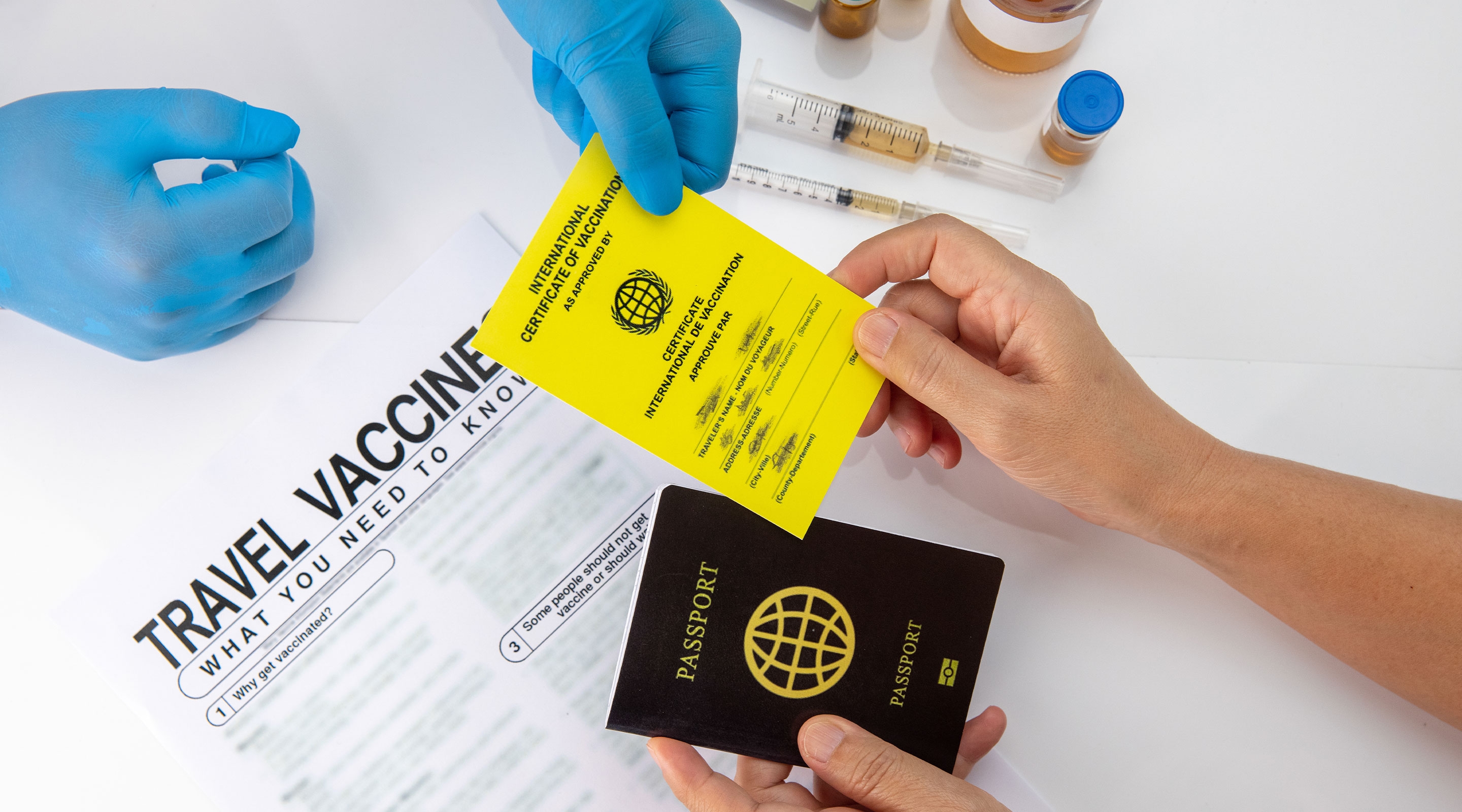
If you’re traveling to countries where certain diseases are endemic, some vaccines may be mandatory or strongly recommended. These may include vaccines for influenza, hepatitis A, yellow fever, typhoid, or meningitis.
Before traveling:
- Check your destination’s health requirements at least 4–6 weeks before departure.
- Make sure your routine vaccinations, including tetanus, are up to date.
- Bring an international vaccination card if required.
6. Check your blood sugar levels
For those with a history of diabetes, long journeys, jet lag, irregular meals, and increased physical activity can all affect blood sugar levels.
Normal blood glucose values vary depending on the timing of the test:
- Fasting blood sugar (8–10 hours): 70–100 mg/dL
- 2 hours after meals: below 140 mg/dL
- Random blood sugar: below 200 mg/dL
If you have diabetes, prepare healthy snacks to prevent hypoglycemia and make sure your diabetes medication or insulin is packed and easily accessible.
7. Prepare your personal medications and travel health kit
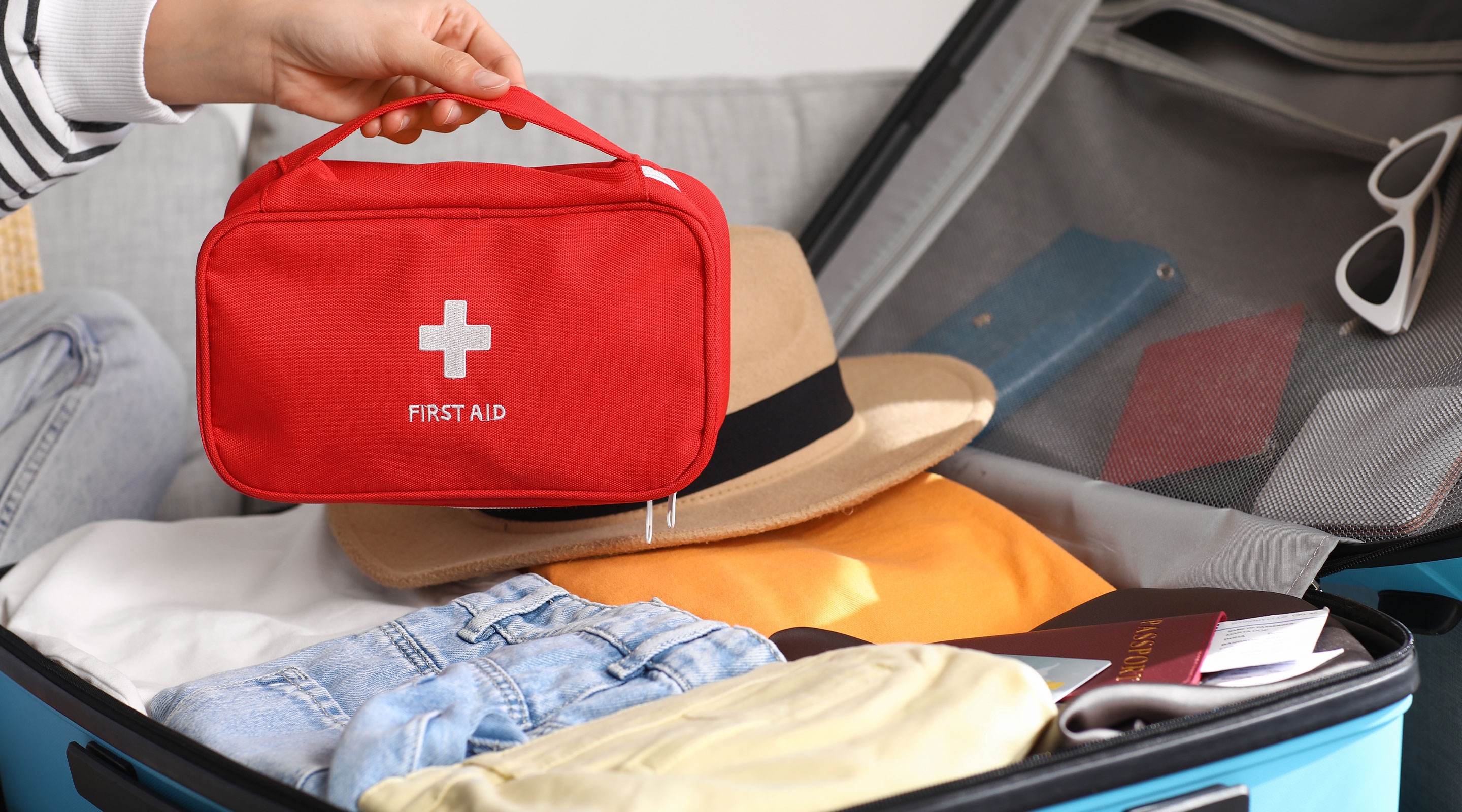
Although this isn’t a medical test, it’s closely related to staying healthy during your trip.
Bring your personal medications:
- Chronic condition medications: for hypertension, diabetes, asthma, cholesterol, or allergies.
- Common medications: pain relievers, cold medicine, anti-diarrheal medication, and oral rehydration salts.
- Mini first-aid kit: bandages, antiseptic, plasters, and wound spray for minor injuries while traveling.
By completing these health checks, you can travel with greater peace of mind. A healthy body makes your holiday more comfortable, safer, and far more enjoyable.
Planning a worry-free vacation?
Get your health checked at GWS Medika Clinic before you go.